
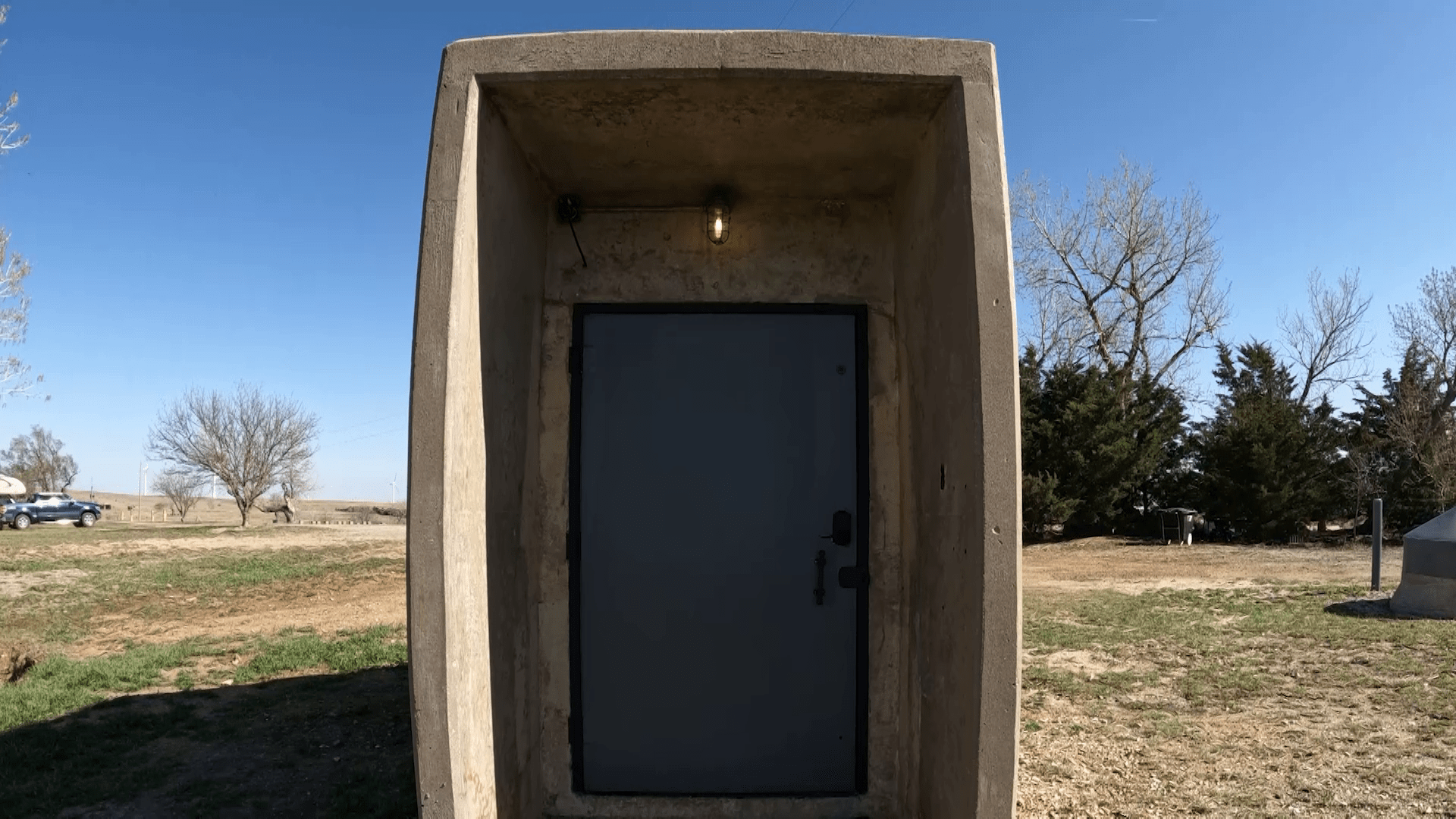
The Abundance Vault
A decommissioned Cold War Atlas E missile silo — 400 tons of reinforced concrete and steel, 50-ton blast door, nuclear-hardened — now reborn as the anchor of the PEACE Ecosystem.
50342 Brown Rd E, Sprague, WA 99302 · Realm 13 · 567th Strategic Missile Squadron
Cold War Legacy
From nuclear deterrent to regenerative abundance — the extraordinary journey of a 567th Strategic Missile Squadron site
In the late 1950s, at the height of the Cold War, the United States embarked on one of the most ambitious defense infrastructure programs in history. The 567th Strategic Missile Squadron was established under the Strategic Air Command, tasked with operating the Atlas E intercontinental ballistic missiles — America's first operational ICBMs.
Only 27 Atlas E sites were constructed across the nation, each a marvel of underground military engineering. This facility, nestled in the wheat fields of Eastern Washington, was built to withstand a nuclear strike and house one of the most powerful weapons ever created.
After just four years of active service (1961–1965), rapid advances in missile technology rendered the Atlas E obsolete. The sites were decommissioned and sold. Decades later, visionary David McIntyre saw something the military never intended — a home, a sanctuary, a vault of abundance.
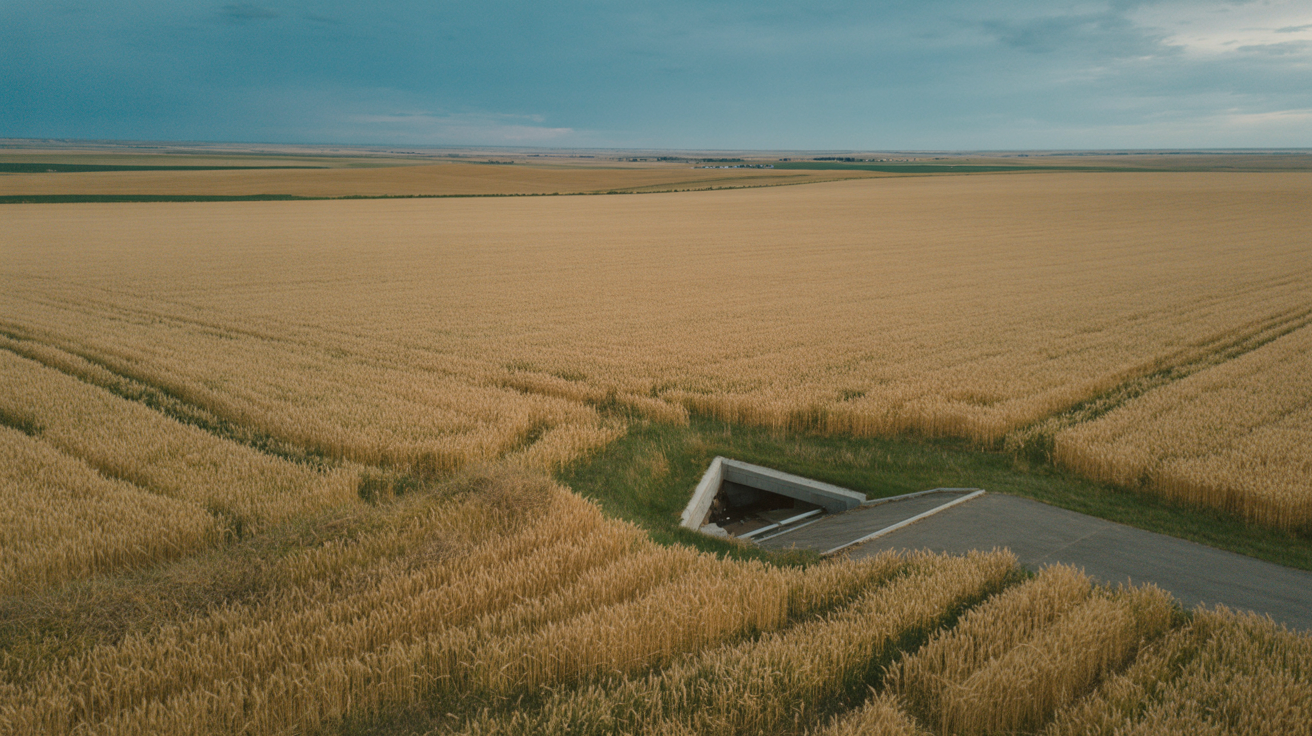
Eastern Washington farmland concealing the underground Atlas E complex
Construction Begins
U.S. Army Corps of Engineers breaks ground on the Atlas E missile silo as part of the 567th Strategic Missile Squadron deployment across the Pacific Northwest.
Activated for Duty
The site goes operational, housing an Atlas E ICBM capable of delivering a nuclear warhead across continents. Crews maintain 24/7 readiness in underground bunkers.
Decommissioned
Advances in solid-fuel Minuteman missiles render the liquid-fueled Atlas E obsolete after just 4 years of service. All 27 sites across the nation are shut down and sold.
McIntyre Acquisition
David McIntyre purchases the abandoned silo and begins a 30+ year transformation — converting Cold War infrastructure into livable underground spaces with custom engineering solutions.
The Abundance Vault
Now Realm 13 of the PEACE Ecosystem — the ultra-secure headquarters anchoring regenerative manufacturing, clean energy R&D, and community resilience operations.
The 50-Ton Blast Door
18 inches of hardened steel engineered to withstand a nuclear detonation — now the gateway to the Abundance Vault
The defining feature of every Atlas E silo is the 50-ton blast door — a monolithic slab of 18-inch-thick hardened steel, engineered to seal the underground complex against the overpressure of a nuclear detonation. It was rated to protect personnel and ICBMs from a direct nuclear strike.
The door operates via a motor-driven mechanism capable of opening and closing this massive structure with precision. Even after six decades, the mechanism remains functional — a testament to Cold War engineering excellence.
Three-Stage Security Entry Sequence
Outer Blast Door
The 50-ton primary blast door opens via motor control, revealing the first airlock chamber. Designed to absorb the initial shockwave of a nuclear detonation.
Airlock Chamber
A pressurized transition zone between the surface and underground complex. Maintains atmospheric separation and prevents contaminated air ingress.
Inner Access Portal
The final security threshold leading into the underground living and operations areas. Beyond this point lies the fully self-contained underground complex.
Engineering Innovations
30+ years of custom engineering transformed raw military infrastructure into a livable underground complex
Custom Elevator
Spans 3 underground levels. Originally designed to lower ICBMs, now retrofitted for personnel and equipment transport.
Dehumidification
Constant climate control maintaining optimal conditions underground — preventing corrosion and ensuring comfortable living.
Ventilation System
Complete air exchange six times per hour through filtered intake and exhaust systems ensuring fresh breathable air at all times.
Drainage Network
Continuous water management system preventing groundwater intrusion. Sump pumps and sensors operating around the clock.
Concrete Conduits
Massive carved concrete tunnels running 100 feet with 12-inch walls routing utilities, cabling, and providing structural support.
Total Structure
The entire underground complex comprises 400 tons of reinforced concrete and steel — built to survive a nuclear strike.
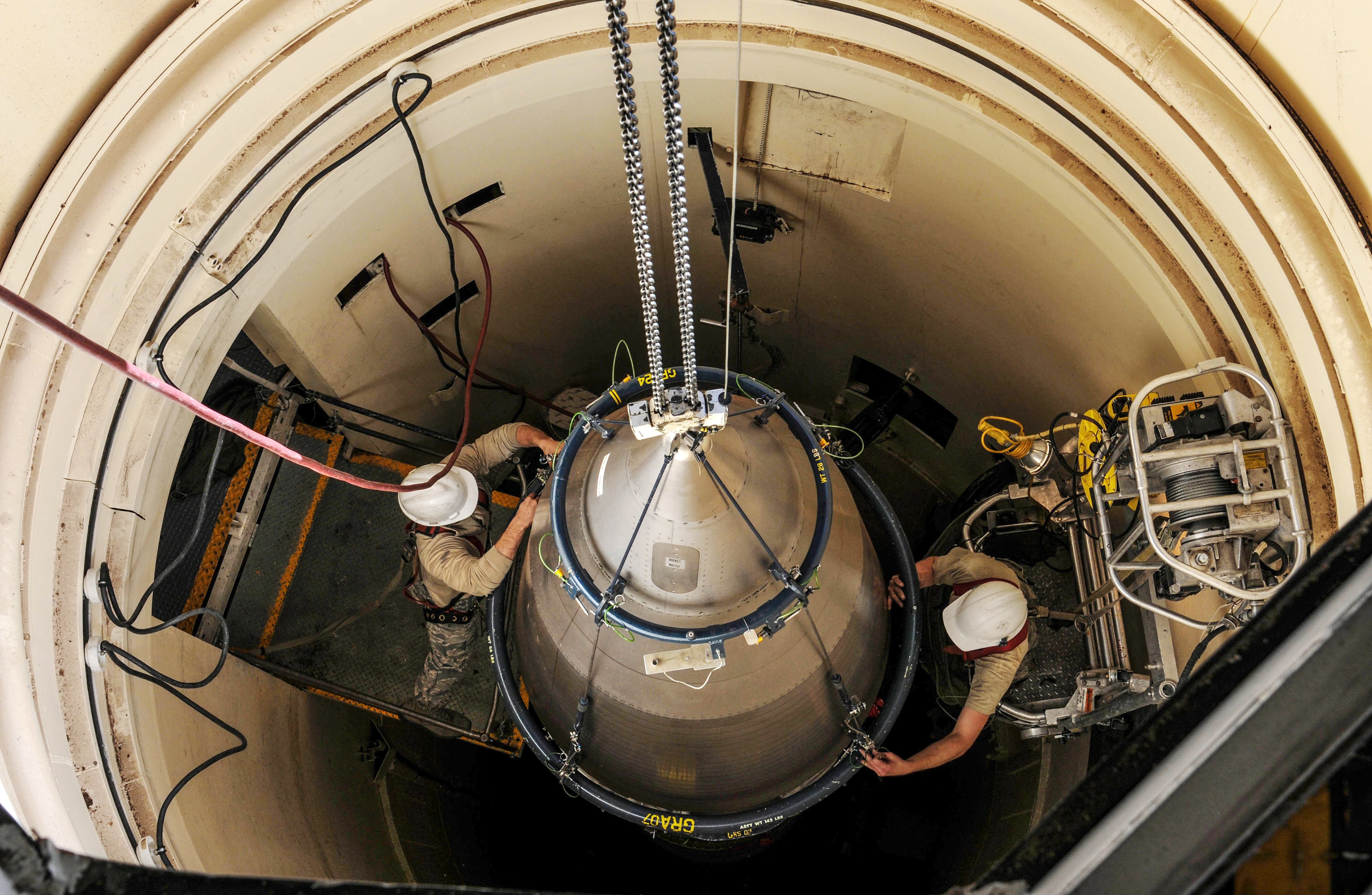
Engineering Legacy
David McIntyre spent over three decades solving engineering challenges that no residential contractor had ever faced. Every system — from the custom 50-ton elevator spanning three levels to the carved 100-foot concrete conduits — was designed from scratch. The dehumidification system maintains a constant 68°F at 40% humidity, while the ventilation system performs 6 complete air changes per hour. Drainage pumps operate 24/7, monitored by sensors that track groundwater levels in real-time.
Underground Living
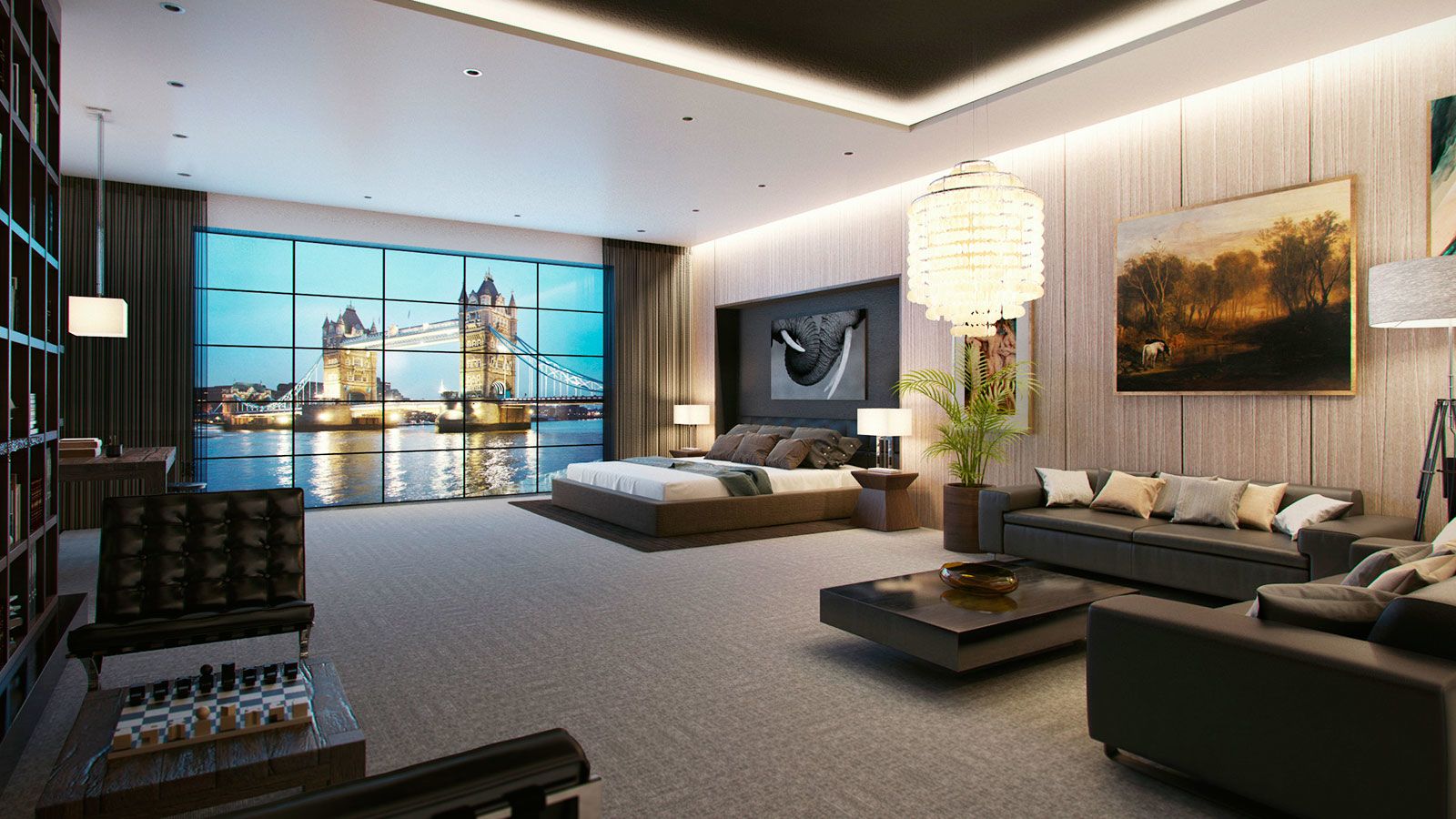
What was once a launch control center and missile maintenance bay has been transformed into a fully functional underground residence. The living quarters feature 2 bedrooms, 1 bathroom, a full kitchen, and a green room — all within the original reinforced concrete shell.
The most ambitious conversion project still underway: the former flame pit — a massive cavity 20 feet deep that once directed ICBM exhaust during launch — is being transformed into a 50ft × 25ft underground swimming pool. When completed, it will be one of the deepest residential pools in the United States.
Opportunity Zone Benefits
Maximize returns through strategic tax advantages in a federally designated zone
Capital Gains Deferral
Defer capital gains tax by investing in qualified Opportunity Zone funds — redirecting tax liabilities into productive assets.
Tax-Free Growth
No capital gains tax on appreciation after a 10-year holding period — maximizing long-term investor returns.
Step-Up in Basis
Reduced tax burden through step-up in basis for deferred capital gains after specific holding periods.
Production Campus
The silo and surrounding acreage form the operational headquarters for manufacturing, R&D, and regenerative agriculture
Plasma furnace production facility
EnergiCell LENR technology on-site
Creating local opportunities
Food forest & aquaponics systems
Site Advantages
Unique Cold War infrastructure providing unmatched competitive advantages
Nuclear-Hardened Structure
400 tons of reinforced concrete and steel rated to withstand a nuclear blast — unmatched physical security for any operation.
Heavy Power Infrastructure
Military-grade electrical systems designed to power ICBMs and launch equipment — now available for industrial manufacturing.
I-90 Corridor Access
Direct connection to Interstate 90 for regional and national distribution, with proximity to Spokane and Pacific Northwest markets.
Multi-Level Underground
Three levels of hardened underground space accessible via a custom 50-ton elevator — ready for labs, storage, and secure operations.
3-Stage Security
Blast door, airlock, and inner portal provide three layers of physical security unmatched by any conventional facility.
OZ Tax Advantages
Federally designated Opportunity Zone location providing capital gains deferral, step-up basis, and tax-free growth potential.